
Why Does Beer Taste Better in a Glass? | Vesselia Glass
Pouring beer into a glass may seem like a small detail, especially when drinking straight from a bottle or can is more convenient. However, for many beer styles, the right glass can improve the drinking experience by making aromas easier to notice, supporting foam formation, and showcasing the beer's appearance.
A glass does not change the beer itself. Instead, it influences how people experience its aroma, appearance, and carbonation.
So, why does beer taste better in a glass? The main reasons include aroma, foam, glass shape, temperature, and overall presentation.
1. A Glass Helps You Enjoy Beer Aroma
Much of what we perceive as flavor is connected to our sense of smell. Hop, malt, yeast, and other ingredients contribute to a beer's aroma and overall character.
When you pour beer into a glass, you can smell its aromas more easily than when drinking directly from a bottle or can.
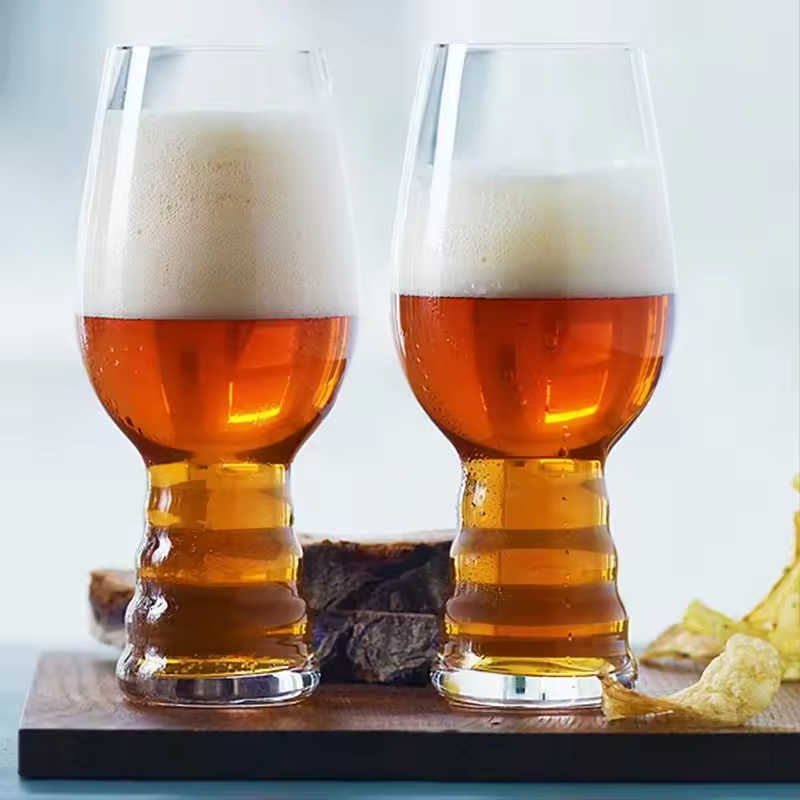
Glass shape also matters. A glass with a wider bowl and narrower opening can help concentrate aromas near the rim, while a straight-sided pint glass offers a practical option for everyday beer service.
For breweries and beverage brands, choosing the right glass is worth considering when aroma is an important part of the beer's appeal, especially for IPA and other aromatic craft beers.
2. Beer Foam Is More Than Decoration
Beer foam affects both appearance and aroma. When beer is poured, carbon dioxide escapes and forms bubbles. These bubbles can carry aromatic compounds to the surface, influencing how the beer smells.
A stable foam head can also make freshly poured beer look more appealing.
However, foam retention depends on several factors, including carbonation, beer composition, pouring technique, and glass cleanliness. Oil or detergent residue can interfere with foam formation.
For bars, restaurants, and breweries, easy-to-clean glassware that suits the beer being served is an important practical consideration.
3. Different Beer Glass Shapes Serve Different Purposes
No single glass is ideal for every beer. Some designs are better suited to everyday service, while others focus on aroma or visual presentation.
Pint Glasses: Practical for Everyday Service
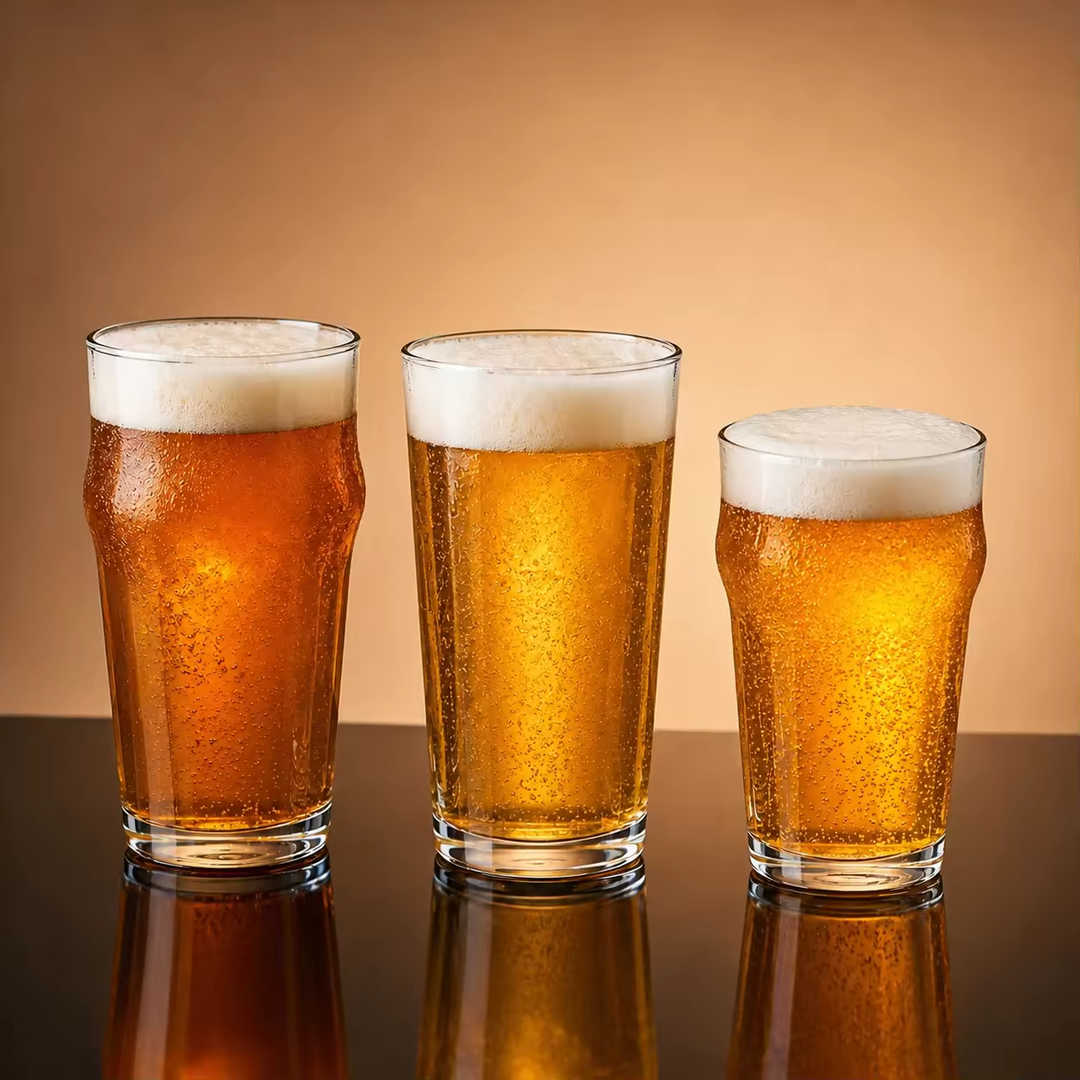
Pint glasses are widely used in pubs, breweries, bars, and restaurants. Their simple shape makes them suitable for many beer styles, and some designs are easy to stack and store.
For commercial buyers, key considerations include capacity, rim thickness, weight, durability, storage, and replacement costs. Custom designs can also help breweries and bars build a consistent brand identity.
Pilsner Glasses: Showcasing Beer Appearance
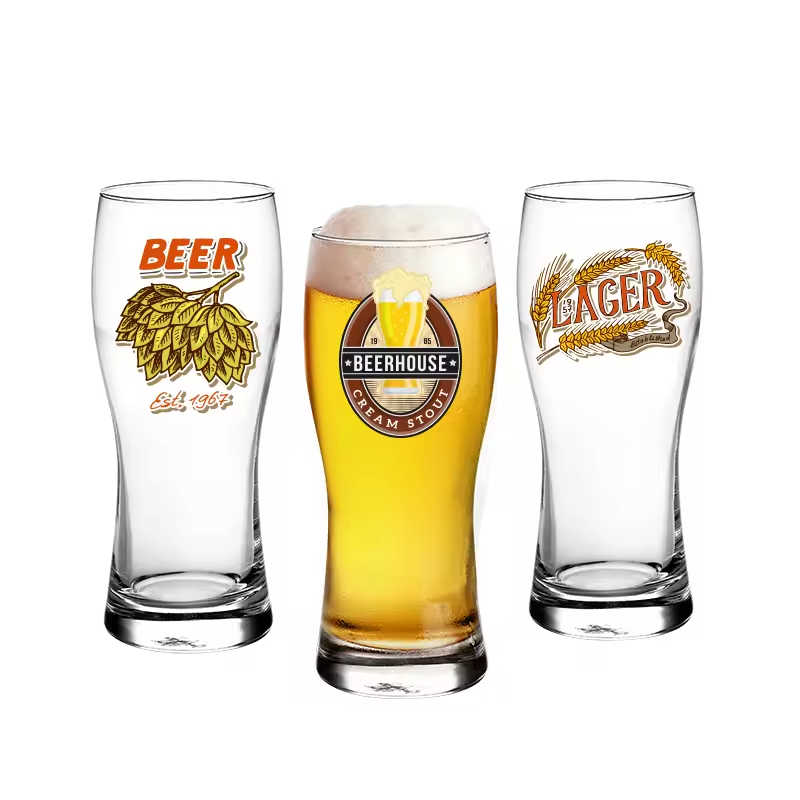
Pilsner glasses typically feature a tall, slightly tapered shape that highlights beer color, carbonation, and foam.
They are commonly used for Pilsner and other pale lagers, particularly when visual presentation matters.
For buyers, it is also important to check the glass height, base stability, and compatibility with existing glass racks and dishwashers.
Beer Snifters: Designed for Aroma
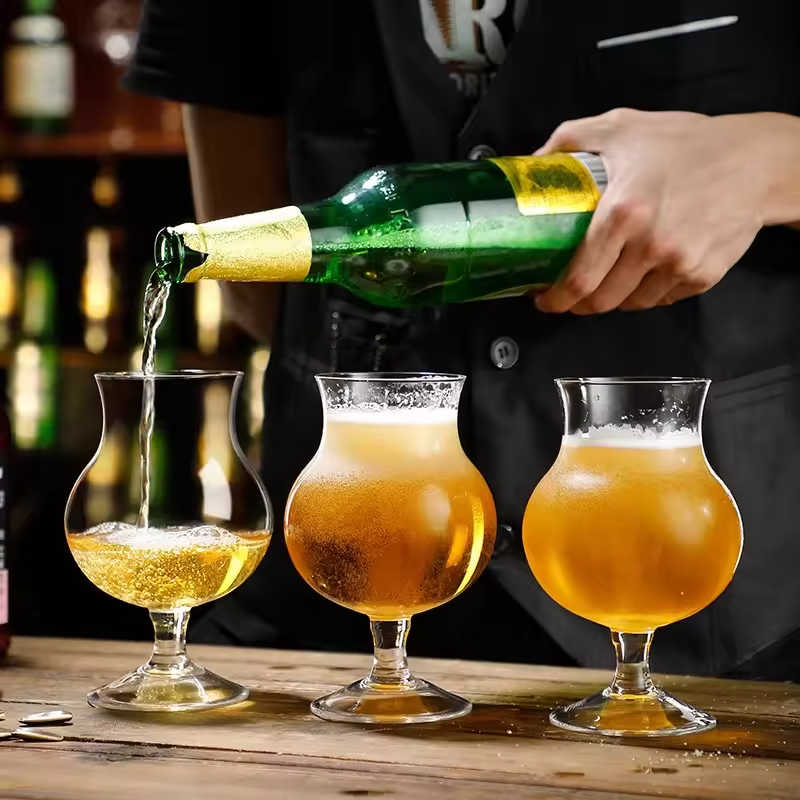
Beer snifters usually have a rounded bowl and a narrower opening. This shape provides room to gently swirl the beer and helps concentrate aromas near the rim.
They are often used for aromatic, higher-alcohol beers, including some barrel-aged ales and specialty craft beers.
Although they may not be the most practical choice for high-volume service, snifters can be a good fit for tasting rooms, specialty beer menus, and premium presentations.
4. Does Glass Shape Affect Beer Temperature?
Temperature influences how we perceive beer aroma and flavor. Colder temperatures can make some aromas less noticeable, while warmer beer may release more aroma but lose some of its refreshing character.
A glass does not automatically keep beer at the ideal temperature. Glass thickness, the temperature of the glass itself, room conditions, and how long the beer sits in the glass all play a role.
For commercial buyers, weight and wall thickness are worth evaluating. Lighter glasses may be easier to handle during busy service, while heavier glasses can provide a more substantial feel.
The best choice depends on the beer style, target market, and intended use.
5. Clear Glassware Showcases Beer Color and Carbonation
Pouring beer into a clear glass makes it easier to see its color, clarity, bubbles, and foam.
These visual details help distinguish different beer styles, from pale lagers and dark stouts to hazy IPAs. For craft breweries and beverage brands, presentation is an important part of the customer experience.
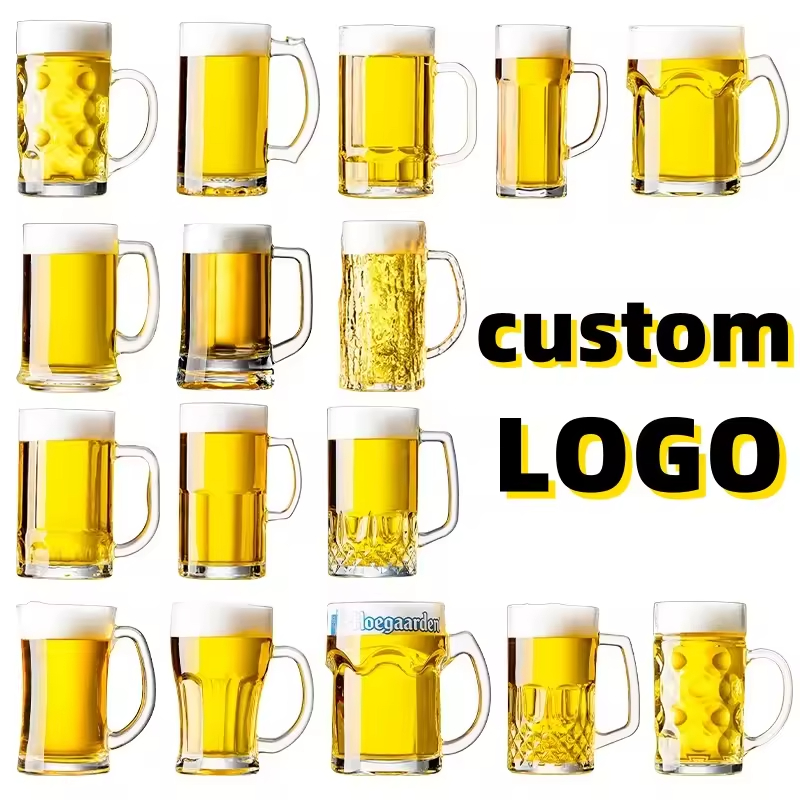
Glassware can also feature a printed logo or custom design, helping connect the drinking experience with the brand.
When choosing decorated glassware, buyers should consider logo placement, print colors, consistency, washing requirements, and order quantity.
6. What Should B2B Buyers Consider When Choosing Beer Glasses?
The best beer glass is not necessarily the most expensive or unusual design. It is the one that fits the beer, customers, and service environment.
Before placing an order, consider the following:
Beer style: Is the glass intended for lager, Pilsner, IPA, or general beer service?
Capacity: Does it provide enough room for the beer and foam?
Dimensions: Check the height, rim diameter, base diameter, and overall shape.
Weight and handling: Consider comfort and ease of use during busy service.
Cleaning and storage: Check dishwasher compatibility, stacking requirements, and glass rack fit.
Customization: Decide whether you need plain glassware, logo printing, or other decoration.
Packaging: Choose protection suitable for bulk shipping, retail sales, or gift sets.
Order quantity and budget: Consider glassware, decoration, packaging, and shipping costs together.
For busy bars and breweries, testing samples before mass production is a practical way to check capacity, handling, cleaning performance, and decoration quality.
7. Custom Beer Glasses for Breweries, Bars, and Beverage Brands
Standard beer glasses suit many everyday needs, but some businesses require specific capacities, shapes, weights, logo placements, or packaging.
Breweries may want distinctive glasses for their tasting rooms. Restaurant groups may need consistent glassware across multiple locations, while beverage brands may require promotional glasses or retail gift sets.
To evaluate a custom project, buyers should prepare:
Beer style and intended use
Target capacity and dimensions
Reference images or drawings
Estimated order quantity
Logo and decoration requirements
Packaging preferences
Target delivery date
These details help determine whether an existing design is suitable or a custom solution is needed. If a new mold or special decoration is required, confirm tooling costs, sample arrangements, production lead time, and minimum order quantity in advance.
Conclusion: The Right Glass Can Improve the Beer Experience
Why does beer taste better in a glass? Because a glass makes aromas easier to enjoy, provides space for foam, and showcases beer color and carbonation.
Not every beer needs a specialized glass. A standard pint glass may be ideal for everyday service, while a Pilsner glass or beer snifter may be more suitable when appearance or aroma deserves extra attention.
For breweries, bars, restaurants, and beverage brands, choosing the right glass means balancing presentation with practical requirements such as capacity, durability, cleaning, customization, and packaging.
Vesselia Glass offers glassware options and customization support for foodservice businesses, beverage brands, and wholesale projects.
If you are sourcing beer glasses or developing a custom design, share your preferred glass shape, capacity, order quantity, decoration, and packaging requirements with our team.
Contact Us to discuss your project and get a quote.
